




Realism
Bulbul
Sculptor:
Giorgi Japaridze
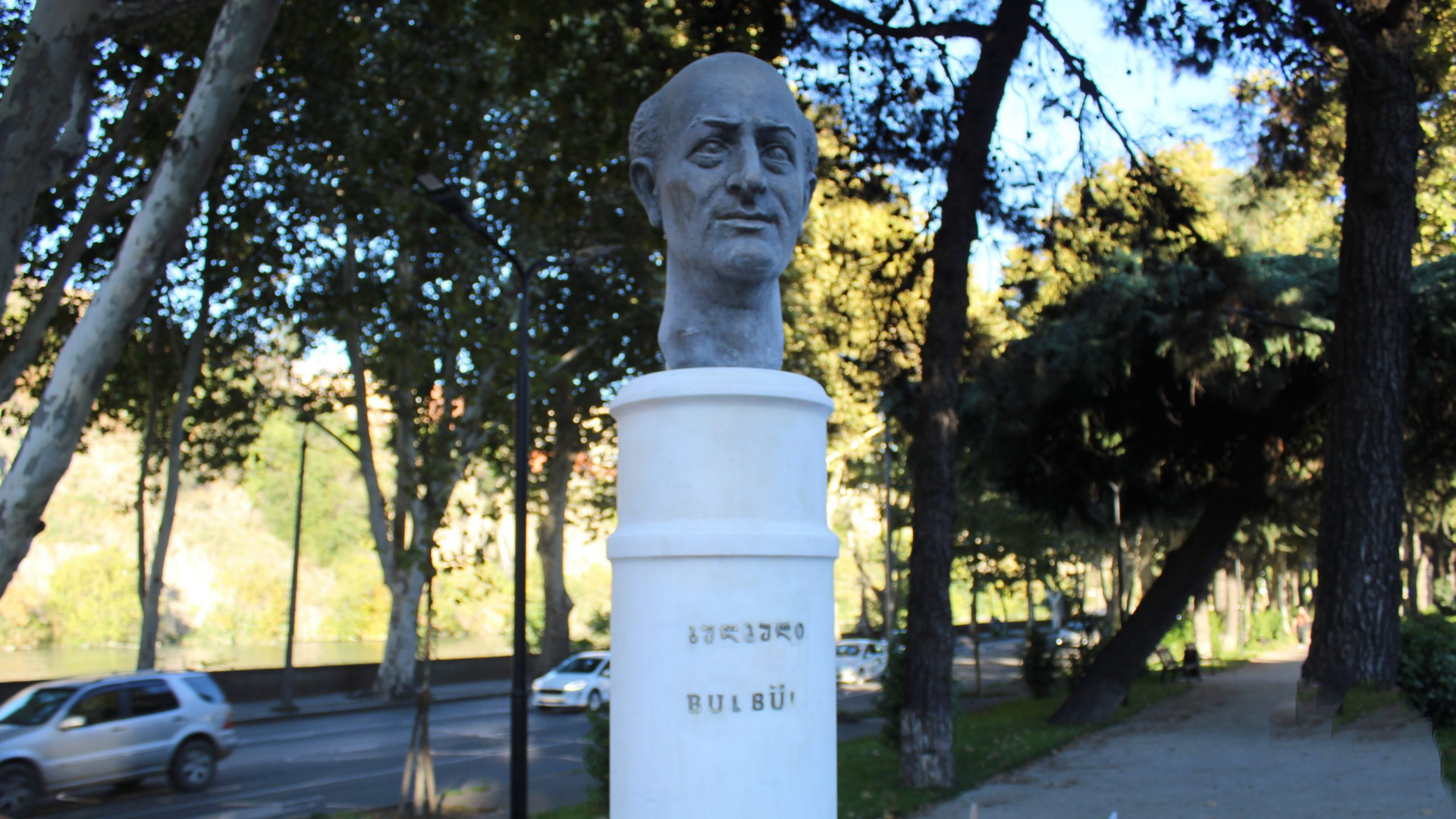
A bronze public monument dedicated to the legendary Azerbaijani opera tenor and folk music pioneer, Bulbul. The monument pays homage to his close artistic ties with the cultural circles of Tbilisi throughout his life.
Year
2015
Opening Date
01.05.2015
City
Tbilisi, Old Tbilisi / Avlabari district
Architect
Unknown
Material
Bronze on a stone pedestal
Dimensions
3.0m
Mirza Fatali Akhundov Museum of Azerbaijani Culture, 17 Vakhtang Gorgasali Street, Tbilisi, Georgia
Description
The monument to Bulbul, the legendary founder of professional vocal arts in Azerbaijan and a celebrated USSR People's Artist, stands as a beautiful cultural landmark in Tbilisi, Georgia. Located in a scenic square on Gorgasali Street, directly in front of the Mirza Fatali Akhundov Museum of Azerbaijani Culture, the bust honors the profound musical and historical connection between the two nations. Unveiled in February 2015 to coincide with the cultural celebrations surrounding his legacy, the monument serves as a vital reminder of Azerbaijani cultural heritage in the heart of the Georgian capital.
The monument is designed in an elegant, classical memorial style that perfectly blends into its park surroundings. It features a finely detailed bronze bust of the great tenor, capturing his expressive features, artistic dignity, and creative spirit. The bronze sculpture rests upon a clean, white marble pedestal, which is supported by a solid dark granite base. To maintain its pristine appearance and preserve its historical value, the entire complex underwent a thorough restoration project, which beautifully whitened the marble, refreshed the surrounding structural stonework, and updated the bilingual commemorative plates that state his name and legacy in both Azerbaijani and Georgian.
Set against a backdrop of quiet walking paths, manicured green lawns, and tall trees, the Bulbul monument provides a peaceful space for visitors to reflect on the history of Eastern opera and music. It stands within a cluster of key Azerbaijani historical landmarks in Tbilisi, acting as a gathering point for cultural festivals, diplomatic visits, and tourists exploring the shared heritage of the Caucasus. The well-maintained square offers a striking visual balance between classical sculpture and contemporary urban landscaping, keeping the memory of Azerbaijan's "Nightingale" vibrant for generations to come.
History
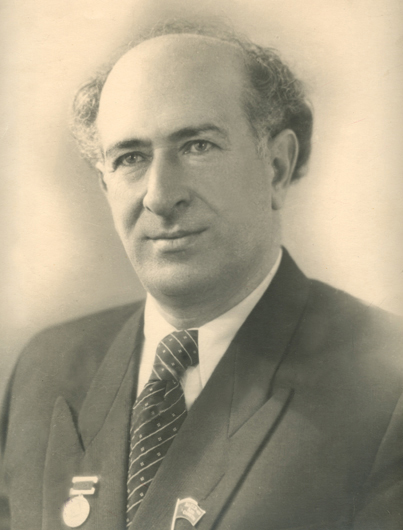
Bulbul, born Murtuza Mashadi Rza oglu Mammadov, was a pioneering figure who revolutionized the musical landscape of Azerbaijan and the wider East. Born on June 22, 1897, in Shusha—a historic cradle of Azerbaijani culture and music—he possessed an extraordinary, melodious voice from early childhood. His exceptional vocal talent earned him the nickname "Bulbul" (meaning "nightingale"), a moniker that he would carry throughout his life and immortalize as his professional stage name.
His artistic journey began in the traditional schools of Shusha, where he mastered the complex vocal techniques of Azerbaijani mugham and folk music under the guidance of legendary masters like Jabbar Garyaghdioglu. However, Bulbul’s vision extended far beyond traditional regional styles. In 1920, he moved to Baku to perform in the earliest Azerbaijani operas, an experience that ignited his passion for classical European vocal traditions. Recognizing the need to bridge Eastern and Western musical arts, he enrolled in the Baku Conservatory in 1921, and later spent four transformative years studying at the prestigious La Scala Academy in Milan, Italy.
Upon his return, Bulbul achieved a groundbreaking synthesis that defined his legacy. He became the first vocalist to successfully combine the emotional depth and microtonal nuances of traditional Eastern mugham with the powerful, structured techniques of Italian opera. This unique synthesis birthed a brand-new, professional vocal school in Azerbaijan. His operatic career reached its zenith when he created the title role in Uzeyir Hajibeyli's masterpiece opera, Koroghlu, in 1938—a performance that remains the golden standard of Azerbaijani classical music.
Beyond his legendary stage presence as a lyric-dramatic tenor, Bulbul was a dedicated educator, musicologist, and researcher. As a professor at the Baku Academy of Music, he trained generations of classical vocalists and published the very first instructional guides for teaching traditional instruments like the tar, kamancha, and balaban. He organized research expeditions across different regions to record, preserve, and archive hundreds of forgotten Azerbaijani folk songs.
For his colossal contributions to art and culture, Bulbul was awarded the highest honors of his time, including the title of USSR People's Artist and Italy's "Stella di Garibaldi". He passed away on September 26, 1961, in Baku, leaving behind a resilient institutional legacy and a musical dynasty continued by his son, the acclaimed singer and diplomat Polad Bulbuloglu. Today, Bulbul is celebrated not merely as a singer, but as a cultural visionary who elevated Azerbaijani vocal art to the international stage.
Location
Related Sculptures
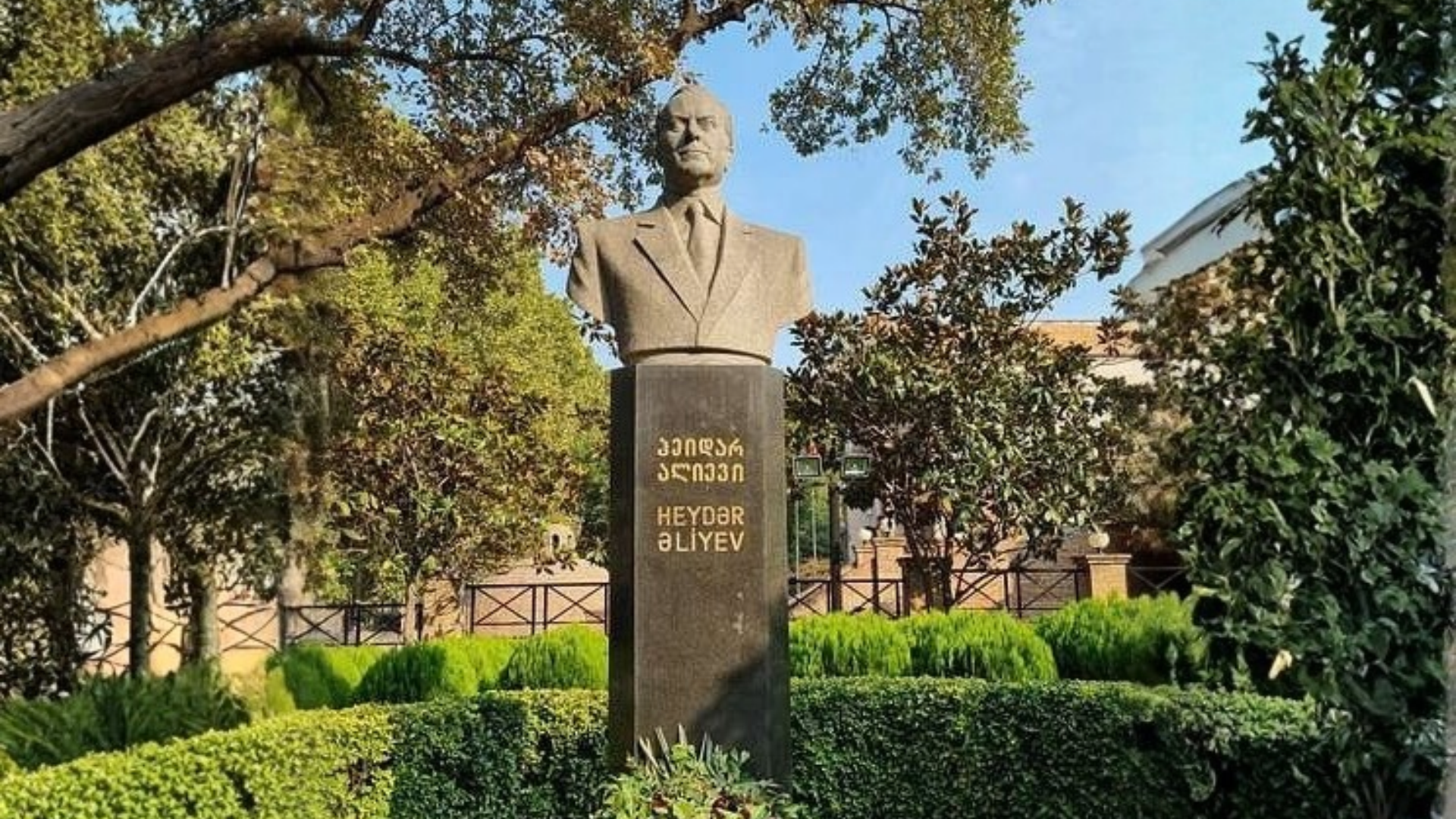
2007
Realism / Monumental art
Heydar Aliyev
Natig Aliyev
Tbilisi, Old Tbilisi
Heydar Aliyev Park, Gorgasali Street, Tbilisi, Georgia
1982
Realism / Soviet Memorial Art
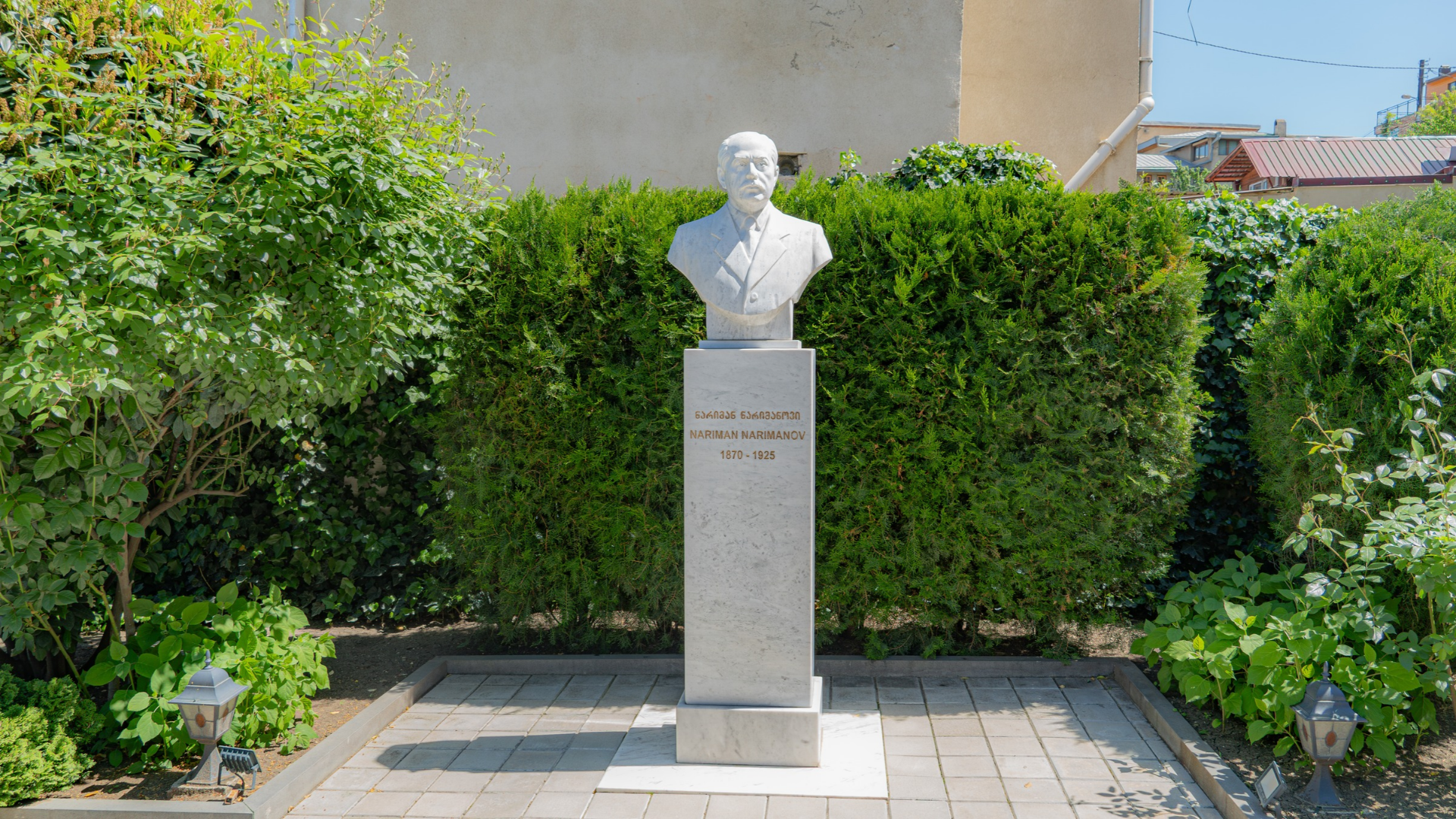
Nariman Narimanov
Unknown (Soviet-era public works assignment)
Tbilisi, Old Tbilisi district
Ioseb Grishashvili Street 41, Tbilisi, Georgia (Located at the courtyard of the Nariman Narimanov House-Museum)
2006
Realism
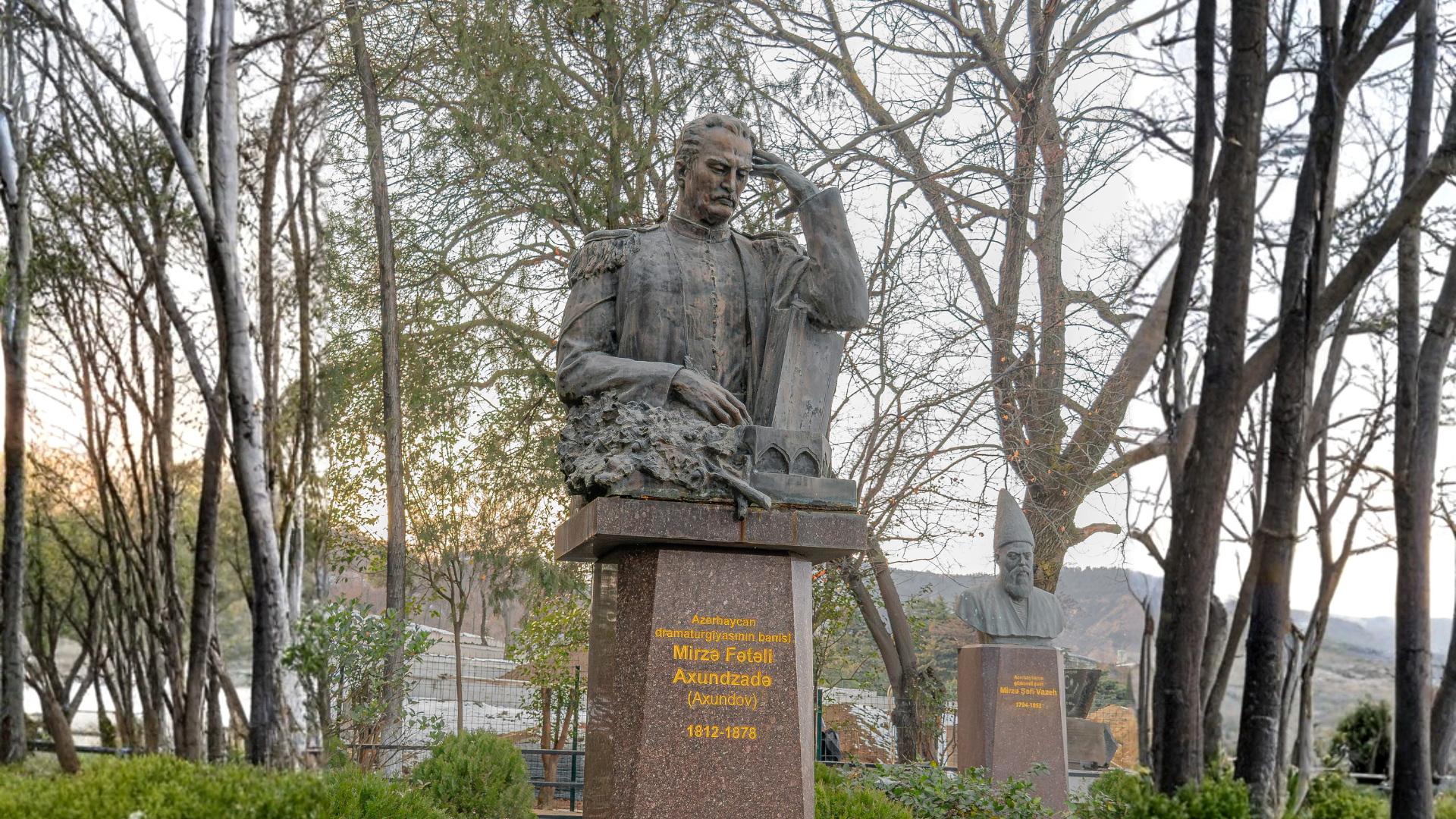
Mirza Fatali Akhundov
Unknown (Restored and managed by public cultural initiatives)
Tbilisi, Old Tbilisi / Abanotubani district
17 Vakhtang Gorgasali Street, Tbilisi, Georgia (Erected at the premises of the Mirza Fatali Akhundov Museum of Azerbaijani Culture)