



Realism / Monumental art
Heydar Aliyev
Sculptor:
Natig Aliyev
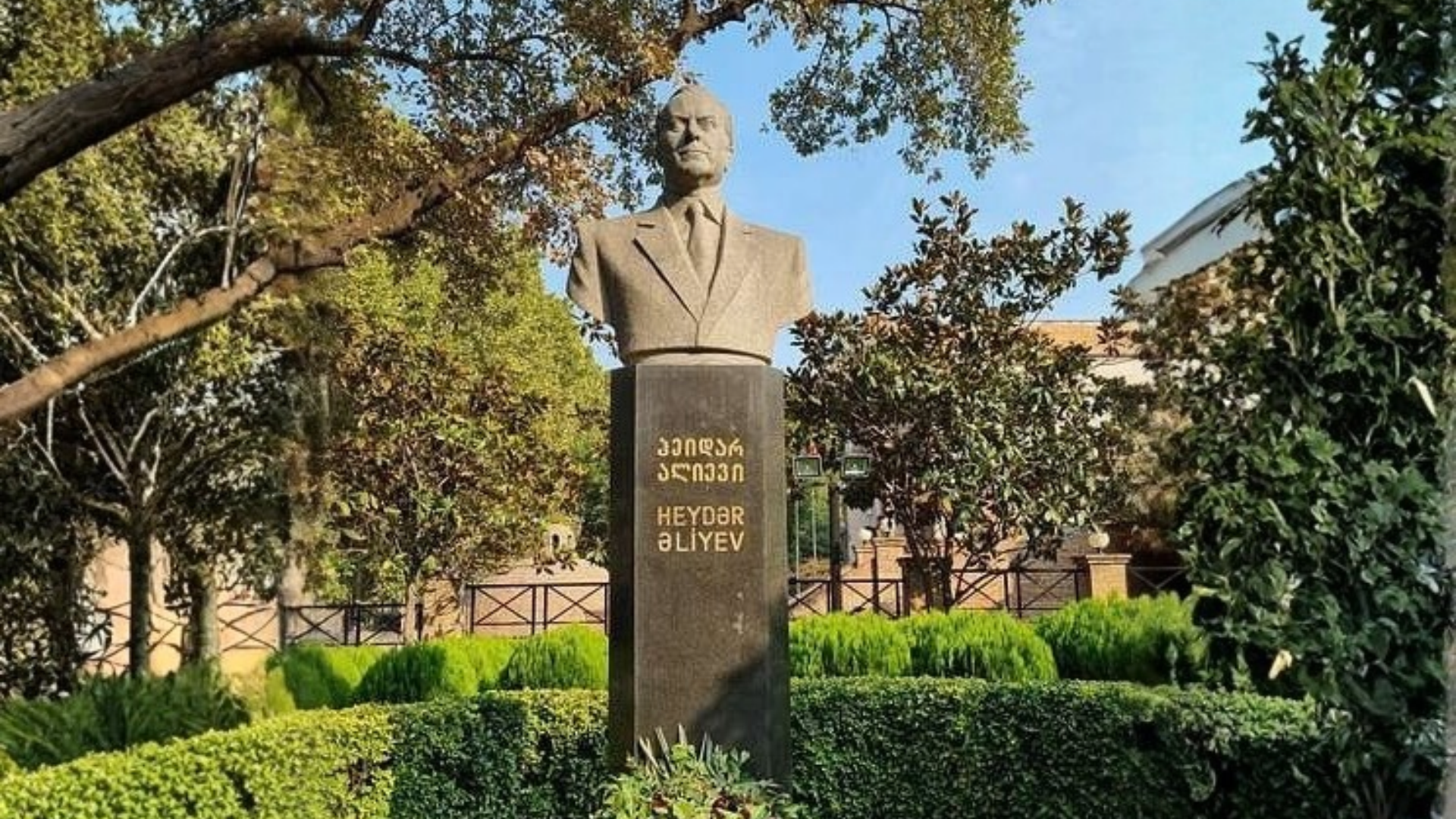
The monument features a bronze bust of the late Azerbaijani President Heydar Aliyev, placed on a high stone pedestal at the center of a public park. The park covers an area of one hectare and serves as a symbol of friendship between Azerbaijan and Georgia
Year
2007
Opening Date
12.05.2007
City
Tbilisi, Old Tbilisi
Architect
F. Akhundov
Material
Bronze (bust) on a granite pedestal
Dimensions
4.5m
Heydar Aliyev Park, Gorgasali Street, Tbilisi, Georgia
Description
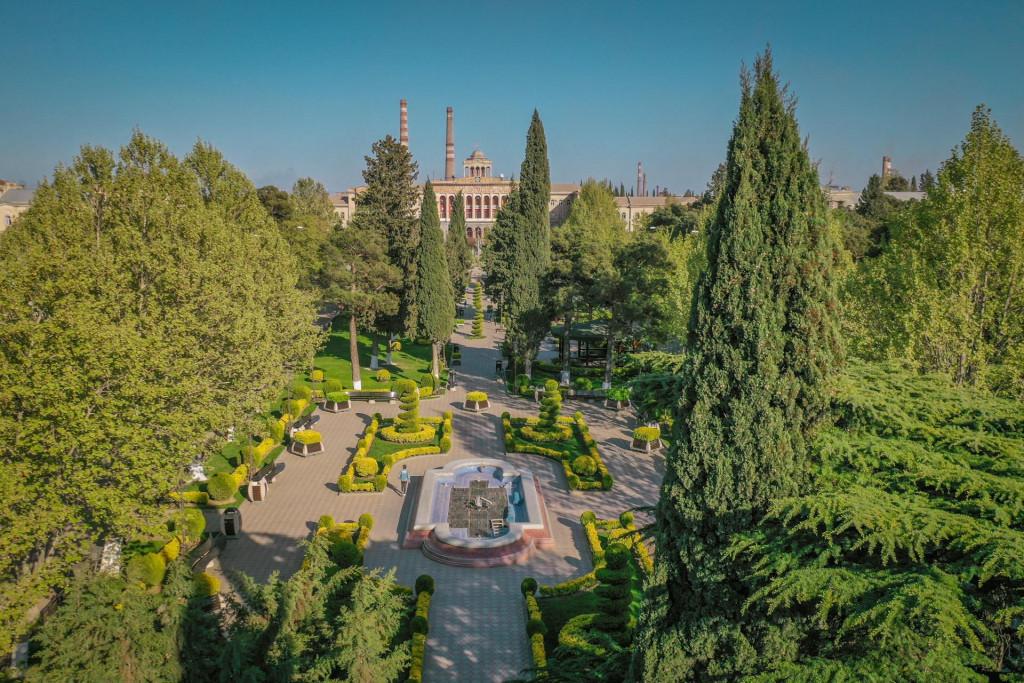
The Heydar Aliyev Culture and Recreation Park, located on the banks of the Kura River in the Abanotubani district—one of the oldest and most touristic corners of Tbilisi, the capital of Georgia—has become a significant cultural venue for both city guests and locals. The bust of Azerbaijan's National Leader, Heydar Aliyev, which stands at the center of this park, symbolizes the strategic partnership, friendship, and historical ties between the two neighboring countries.
Although the foundation of the park was originally laid in 2004, the official opening ceremony of the monument took place on May 12, 2007, following extensive reconstruction and landscaping work. The inauguration was attended by high-ranking officials from both nations, showcasing the strength of regional cooperation. The project was designed and created by the People's Artist of Azerbaijan, the renowned sculptor Natig Aliyev, alongside architect F. Akhundov. Made of bronze, the bust reaches a total height of 4 meters including its granite pedestal.
Crafted in a classical monumental architectural style, the monument accurately reflects the statesman's characteristic features. Heydar Aliyev is depicted in formal attire, conveying a distinct sense of seriousness and deep determination in his gaze. The sculptor masterfully utilized the plasticity of bronze to capture a striking portrait resemblance and sharp relief lines. The rectangular pedestal supporting the bust is crafted from smooth, polished dark granite. Engraved in golden letters on its front is the name "Heydar Aliyev" and the years of his leadership, written in both Georgian and Azerbaijani.
The monument stands in perfect harmony with its surrounding environment. The area around the sculpture is framed by decorative plants and tall trees, lending both aesthetic beauty and a serene atmosphere to the space. Official delegations visiting Tbilisi, local Azerbaijanis, and tourists regularly visit this park, laying fresh flowers before the monument to pay their respects to his memory.
History
Heydar Aliyev, whose memory is honored by this monument in Tbilisi, was a towering political figure who shaped the modern history of Azerbaijan. Born on May 10, 1923, in Nakhchivan, he dedicated decades of his life to public service, eventually becoming the third President of independent Azerbaijan and earning the title of the nation's National Leader. His leadership spanned two distinct eras, first guiding the Azerbaijan Soviet Socialist Republic from 1969 to 1982, and later rising to the highest ranks of Soviet leadership as a member of the Politburo and First Deputy Chairman of the USSR Council of Ministers in Moscow.
Following the collapse of the Soviet Union, independent Azerbaijan faced severe political instability, economic collapse, and the escalating Karabakh conflict. Returning to Baku at the insistence of the Azerbaijani people, Heydar Aliyev assumed the presidency in 1993, a pivotal moment that successfully averted a looming civil war and stabilized the nation. He initiated a period of profound transformation, characterized by deep economic reforms, institutional stability, and a balanced foreign policy that positioned Azerbaijan as a key sovereign state on the international stage.
A central cornerstone of his vision was the integration of Azerbaijan into global economic systems, most notably realized through the landmark 1994 "Contract of the Century." This massive energy agreement brought international oil consortia to the Caspian Sea and paved the way for major transnational energy corridors. Among these, the Baku-Tbilisi-Ceyhan oil pipeline and the Baku-Tbilisi-Erzurum gas pipeline fundamentally transformed regional dynamics, anchoring the geopolitical partnership between Azerbaijan, Georgia, and Turkey.
Heydar Aliyev passed away on December 12, 2003, leaving behind a resilient state structure and a legacy of strategic regional alliance. His diplomatic approach always prioritized close, friendly relations with Georgia, recognizing the shared destiny of the Caucasus nations. Today, his legacy lives on not only in the political and economic architecture of the region but also in the cultural landmarks, parks, and monuments that stand in Tbilisi and across the globe as symbols of enduring international friendship.
Gallery
360° Panorama
Location
Related Sculptures
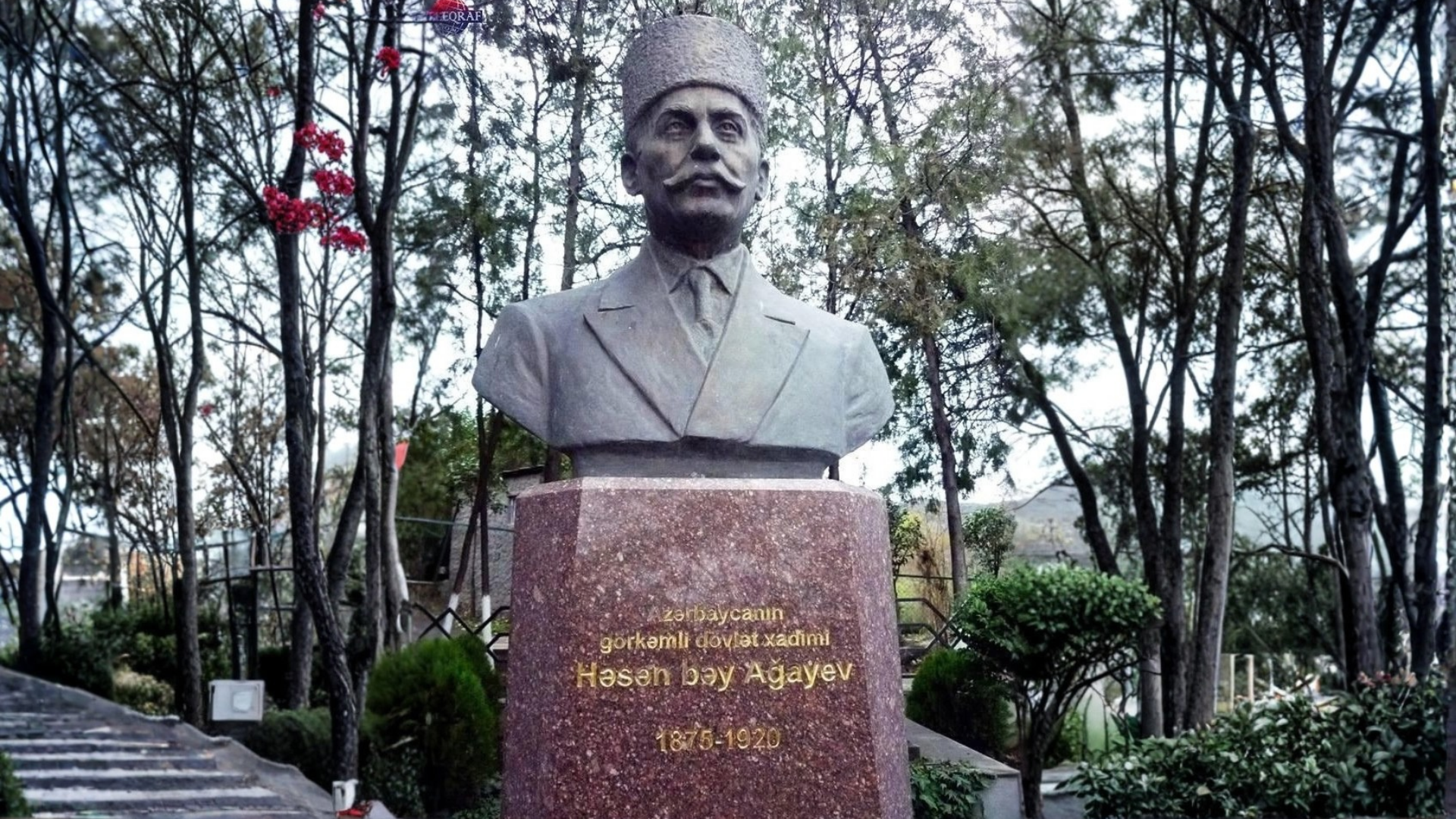
2006
Realism / Memorial Art
Hasan Bey Aghayev
Natig Aliyev
Tbilisi, Old Tbilisi district
ational Botanical Garden of Georgia, Tbilisi, Georgia (Erected inside the Pantheon of Prominent Azerbaijanis)
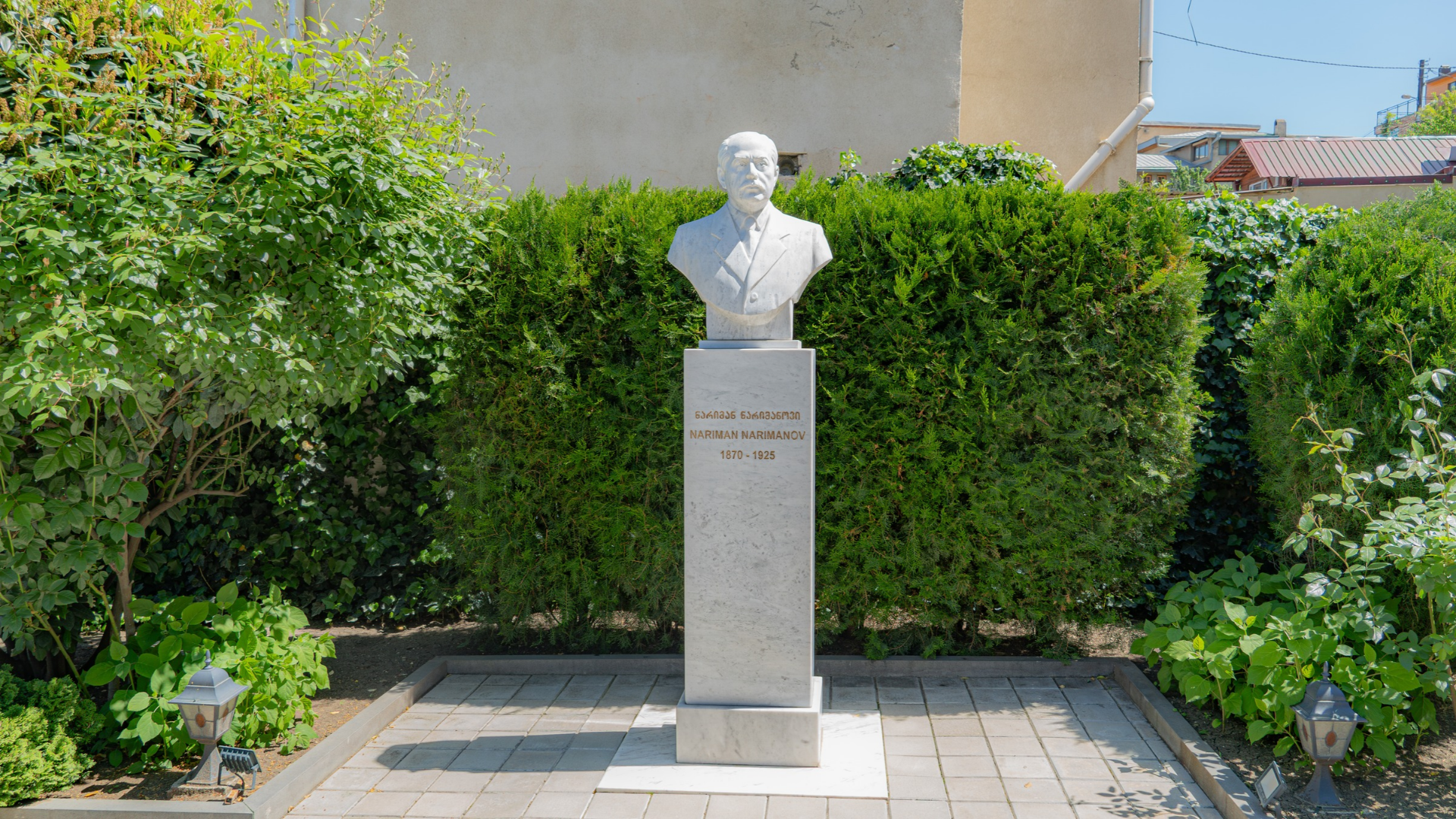
1982
Realism / Soviet Memorial Art
Nariman Narimanov
Unknown (Soviet-era public works assignment)
Tbilisi, Old Tbilisi district
Ioseb Grishashvili Street 41, Tbilisi, Georgia (Located at the courtyard of the Nariman Narimanov House-Museum)
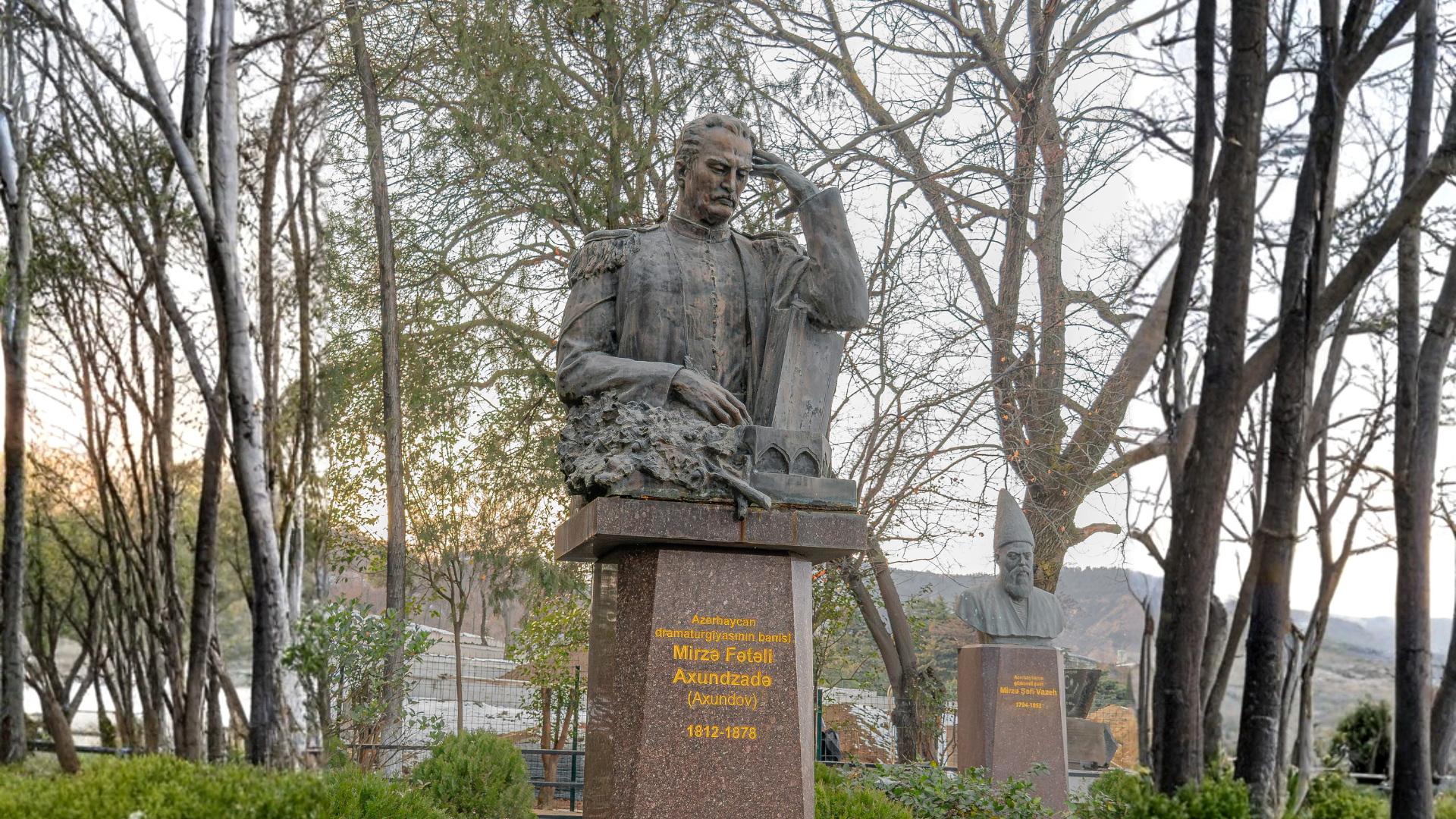
2006
Realism
Mirza Fatali Akhundov
Unknown (Restored and managed by public cultural initiatives)
Tbilisi, Old Tbilisi / Abanotubani district
17 Vakhtang Gorgasali Street, Tbilisi, Georgia (Erected at the premises of the Mirza Fatali Akhundov Museum of Azerbaijani Culture)