




Realism / Memorial Art
Mirza Shafi Vazeh
Sculptor:
Unknown
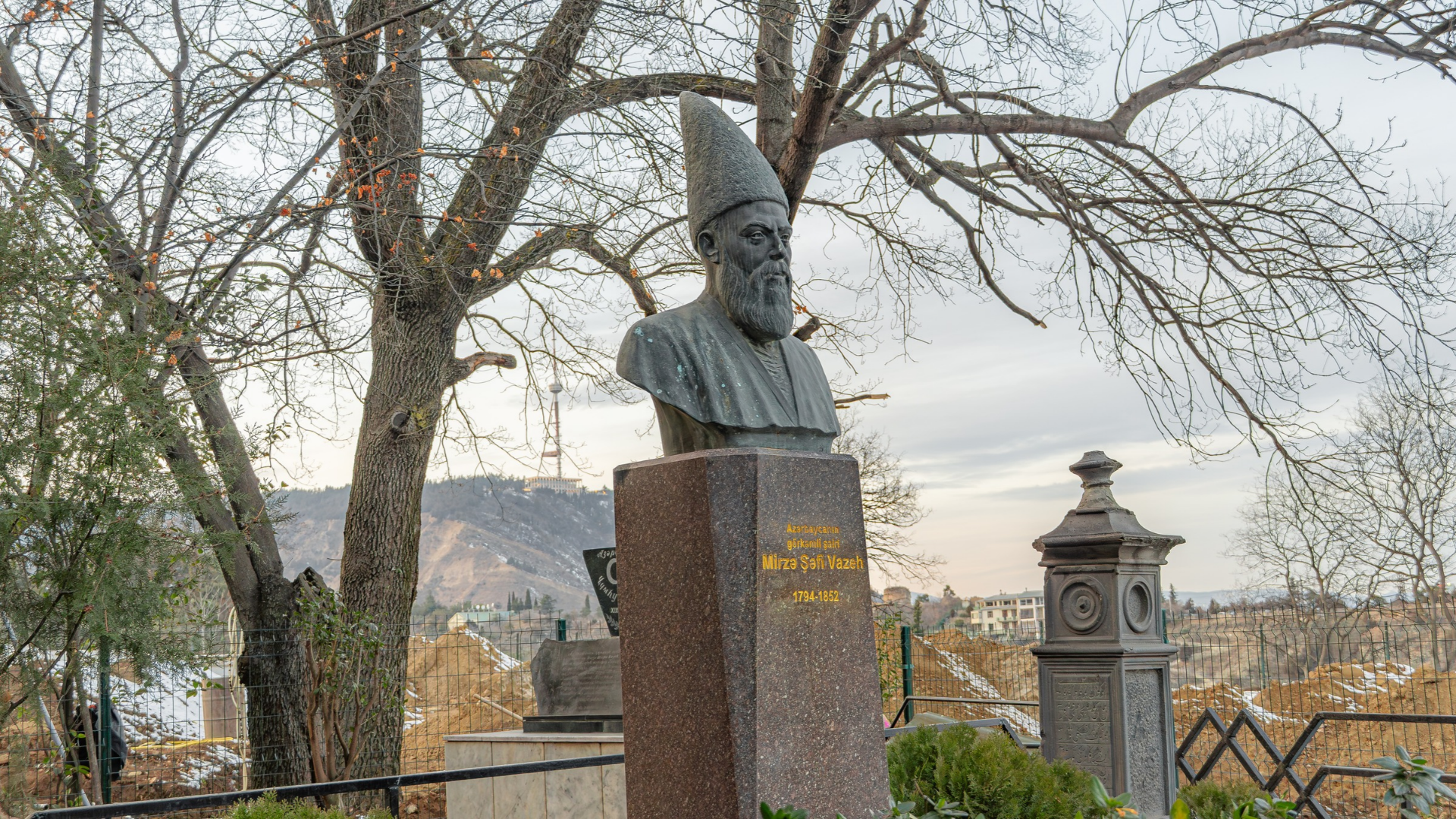
A beautifully reconstructed memorial grave statue dedicated to the celebrated bilingual Azerbaijani poet and philosopher Mirza Shafi Vazeh, who spent a significant portion of his life and passed away in Tbilisi.
Year
2006
Opening Date
30.12.2006
City
Tbilisi, Old Tbilisi district
Architect
Unknown
Material
Granite and bronze
Dimensions
2.5m
National Botanical Garden of Georgia, Tbilisi, Georgia (Erected inside the Pantheon of Prominent Azerbaijanis)
Description
The monument to Mirza Shafi Vazeh, the world-renowned 19th-century Azerbaijani poet, philosopher, and master of romantic gazals, is located in the National Botanical Garden of Georgia in Tbilisi. Situated within the historic Pantheon of Prominent Azerbaijanis, this grave monument honors a brilliant literary figure who spent some of the most creative and influential years of his life in Tbilisi, serving as an intellectual bridge between Eastern poetry and Western European thought.
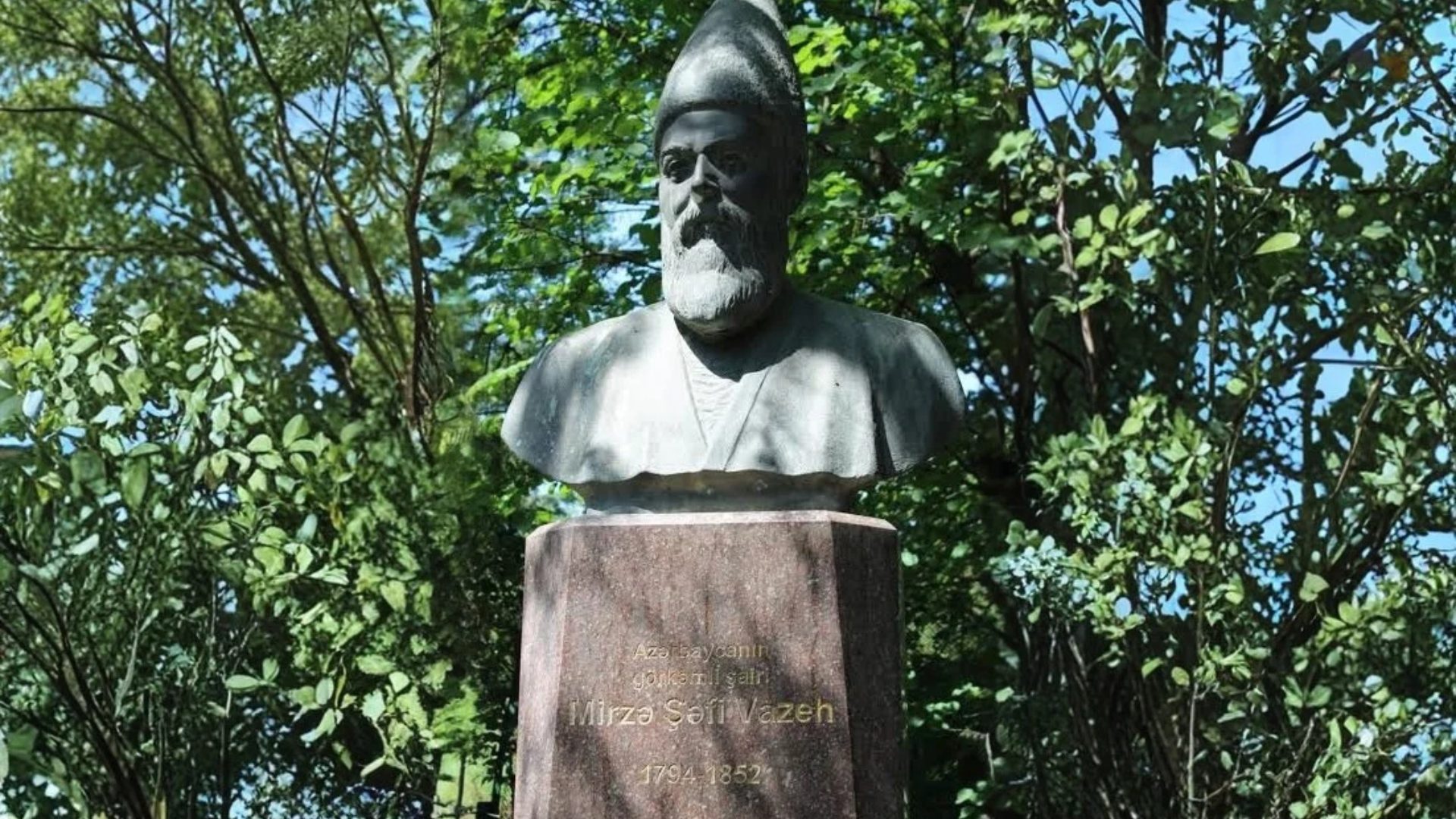
The monument is designed in an elegant, classical memorial style that reflects deep poetic reverence and intellectual gravity. It features a beautifully sculpted bronze portrait bust of the poet, set atop a tall, rectangular pedestal made of dark polished granite. The sculpture expertly captures Vazeh’s contemplative gaze, refined posture, and traditional attire, conveying his dual identity as a traditional Eastern sage and a progressive educator. The clean, geometric lines of the granite base provide a striking contrast to the detailed, expressive texture of the bronze work.
The entire memorial site was thoroughly restored and modernized with the support of the Heydar Aliyev Foundation. This revitalization project improved the surrounding pathways, updated the polished stone facing around the grave area, and installed pristine commemorative plates. Inscribed clearly on the granite pedestal in golden lettering are the poet's name and historical dates, written in both Azerbaijani and Georgian to ensure his enduring legacy is accessible to all visitors exploring the capital.
Nestled along the scenic, green hillsides of the Sololaki Ridge inside the National Botanical Garden, the monument stands in complete harmony with its tranquil natural surroundings. The peaceful environment of mature trees, shaded walkways, and local flora offers a respectful, inspiring atmosphere that perfectly mirrors the romantic and philosophical essence of Vazeh's poetry. Positioned within this sacred pantheon alongside other cultural and political titans, the Vazeh monument stands as a powerful symbol of early literary enlightenment, cross-cultural dialogue, and the unbreakable historical ties that unite Azerbaijan and Georgia.
History
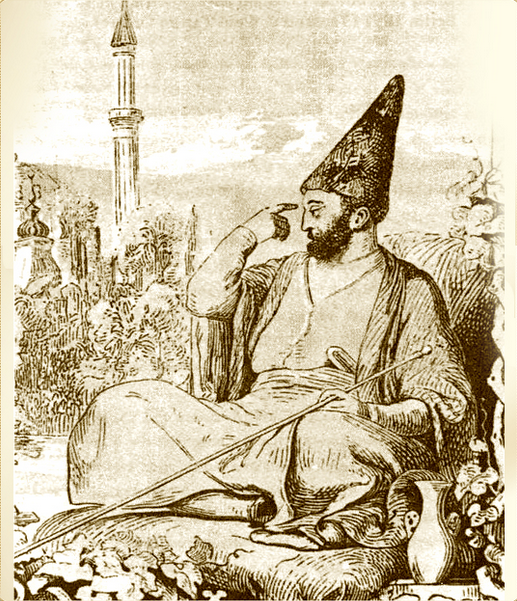
Mirza Shafi Vazeh, whose memorial stands in the heart of Tbilisi, was a brilliant poet, an enlightened philosopher, and a master of romantic gazals who bridged the literary worlds of the East and the West. Born in 1794 in Ganja into a family of an architect, Vazeh received a comprehensive classical education in madrasas, where he mastered Arabic, Persian, and the intricate traditions of classical Oriental poetry. His sharp intellect and progressive worldview eventually led him to move to Tbilisi in 1840, which was then the vibrant political and cultural capital of the Caucasus.
In Tbilisi, Vazeh worked as a teacher of Azerbaijani and Persian languages at the Tbilisi Uezd School. It was during this period that his home became the meeting ground for one of the most unique literary societies of the 19th century—the Divan-i Hikmet (The Divan of Wisdom). This intellectual circle brought together prominent Azerbaijani, Georgian, Russian, and European thinkers, poets, and orientalists. Through these gatherings, Vazeh passionately advocated for secular education, scientific rationalism, human freedom, and universal love, using his poetry to challenge the rigid dogmas and religious superstitions of his era.
Vazeh’s legacy achieved unprecedented global fame through a historic cross-cultural friendship. In 1844, a young German poet and traveler named Friedrich von Bodenstedt arrived in Tbilisi and became Vazeh’s student, learning Eastern languages and poetic meters under his guidance. Fascinated by his teacher's brilliant verses, Bodenstedt translated Vazeh's poems into German. Upon returning to Europe, he published them in 1851 under the title Die Lieder des Mirza-Schaffy (The Songs of Mirza Shafi). The book became an instant, roaring sensation across Europe, being translated into English, French, Italian, and dozens of other languages, making Vazeh one of the most widely read Eastern poets in the Western world.
Mirza Shafi Vazeh passed away on November 28, 1852, in Tbilisi and was laid to rest in the Muslim cemetery, which today is preserved as the Pantheon of Prominent Azerbaijanis within the National Botanical Garden. Though a complex controversy later arose when Bodenstedt attempted to claim total authorship of the poems, historical evidence and the deep poetic traditions found in Vazeh's original manuscripts firmly cemented his rightful legacy. Today, he is celebrated as a visionary educator and a literary genius whose romantic verses and humanistic philosophy introduced the rich cultural heritage of Azerbaijan to global audiences.
Gallery
Location
Related Sculptures
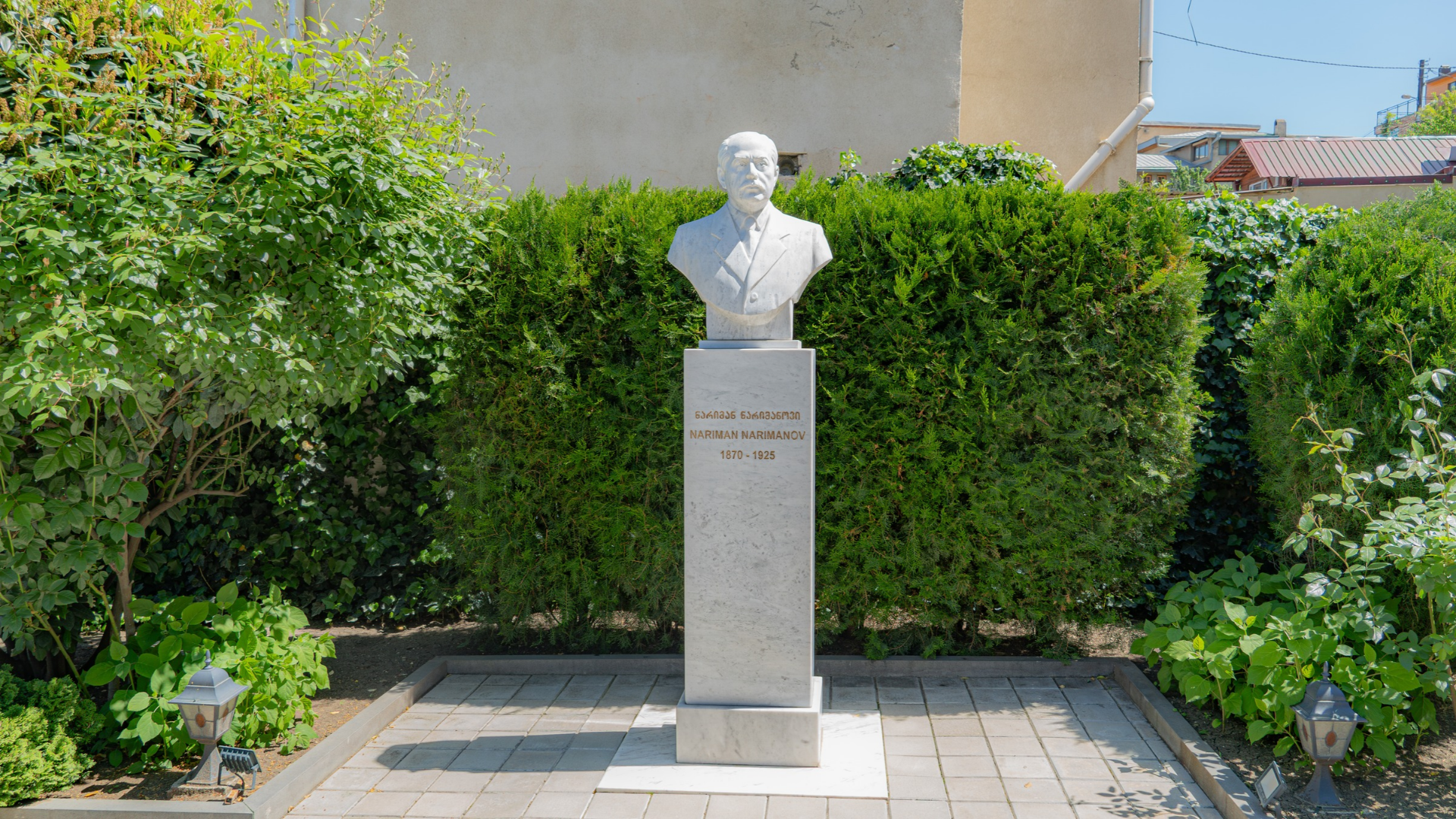
1982
Realism / Soviet Memorial Art
Nariman Narimanov
Unknown (Soviet-era public works assignment)
Tbilisi, Old Tbilisi district
Ioseb Grishashvili Street 41, Tbilisi, Georgia (Located at the courtyard of the Nariman Narimanov House-Museum)
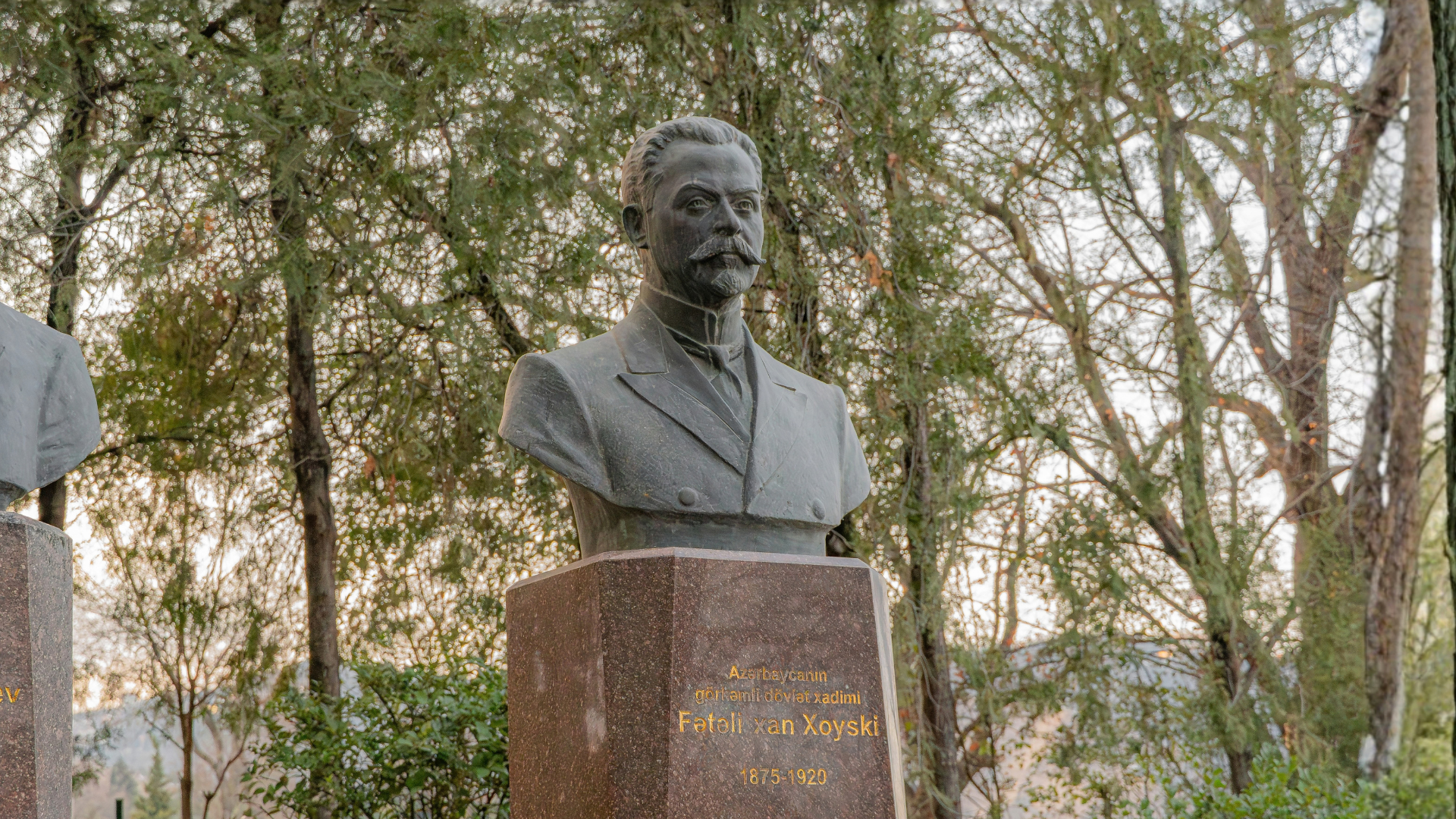
2006
Realism / Memorial Art
Fatali Khan Khoyski
Unknown
Tbilisi, Old Tbilisi district
National Botanical Garden of Georgia, Tbilisi, Georgia (Erected inside the Pantheon of Prominent Azerbaijanis)
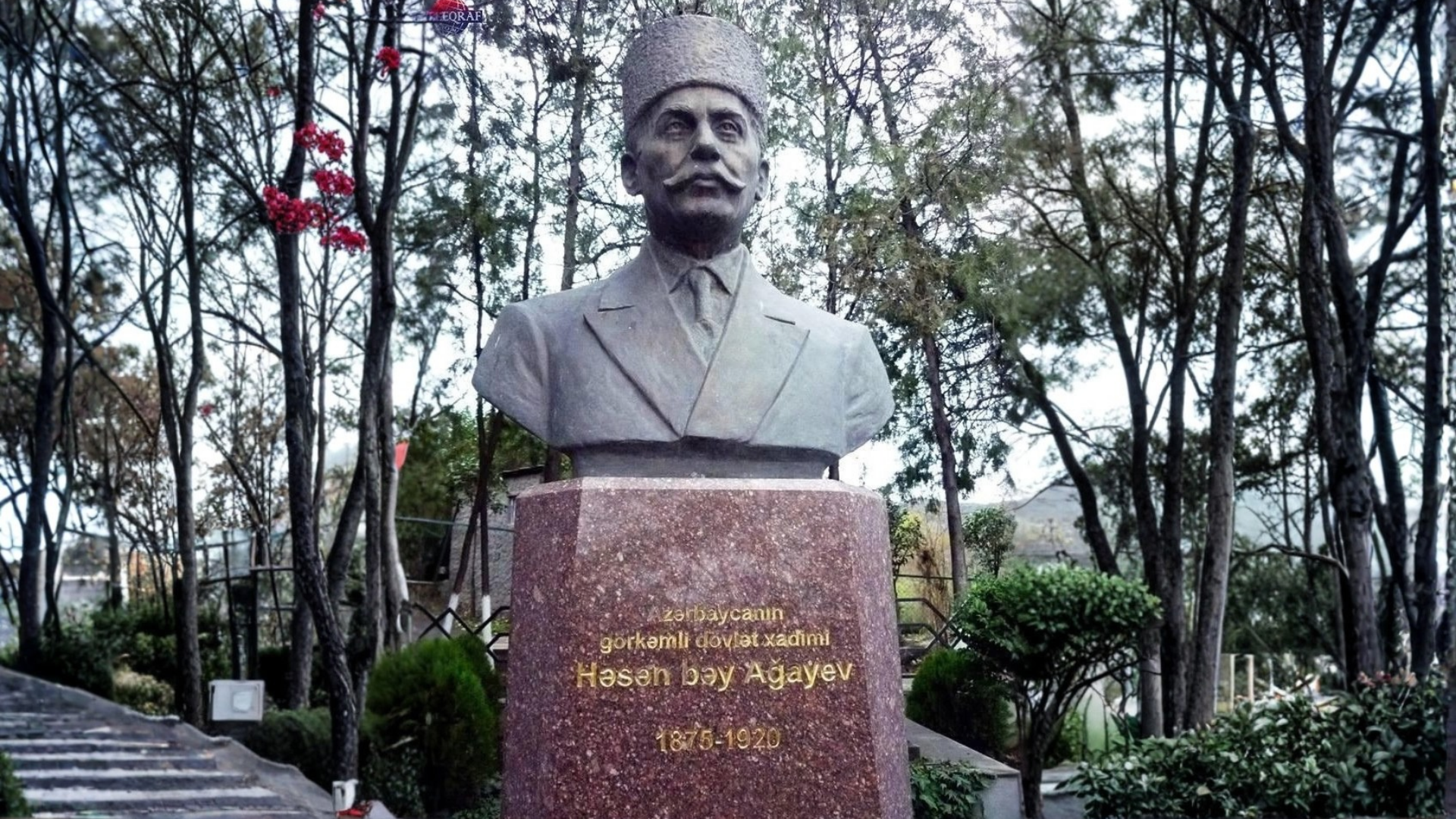
2006
Realism / Memorial Art
Hasan Bey Aghayev
Natig Aliyev
Tbilisi, Old Tbilisi district
ational Botanical Garden of Georgia, Tbilisi, Georgia (Erected inside the Pantheon of Prominent Azerbaijanis)